Blog
Is it difficult for you to workout in winter?


It’s winter, and we all must be finding it difficult to get out of bed early. Isn’t it? We all know that winter can be tough on both our bodies and minds due to cold and cozy weather. Shorter days, less sunlight, and cold temperatures often lead to feelings of laziness, fatigue, and even sadness. When a person experiences sadness and winter blues, it is Seasonal Affective Disorder (SAD), and this happens due to insufficient sunlight impacting mood and energy levels.
Also, this hinders us from going to the gym, doing a workout, and reaching the office on time. Usually our schedule changes in winter, but don’t worry! Fitness experts have shared a variety of exercises and workouts you can easily do at home to combat these winter blues.
Rahul Khare, Power Yoga Trainer, Om Fitness, Bhopal says-
“It is difficult to workout in winter, but you can start from simple warmups to power yoga, strength training, and Zumba, there are plenty of options to stay active and energised. Strength training with or without equipment, even running or jogging outdoors with proper warm clothing, can help you beat the winter slump and maintain your fitness routine. But do strength training exercises under only a trainer’s guidance.”
He further says “When it comes to diet in winter, maintaining a consistent meal schedule is crucial for optimal digestion during winter. Aim for four meals a day, and try to eat them at the same times each day. This regularity helps your body regulate its digestive processes, leading to better nutrient absorption and overall gut health. Sticking to a schedule can also help prevent overeating and maintain stable energy levels throughout the colder months.”
Now let’s know what are the easy workouts that you can do during winters-
1. Indoor yoga
Indoor yoga is best for warming up stiff muscles. Also, you don’t require much space or equipment, just a mat or a soft carpet. Yoga also helps improve breathing during winter, it helps keep your lungs strong during winter.

Benefits: Improves flexibility, balance, and joint mobility. Enhances breathing and lung capacity, which is especially beneficial during winter when respiratory issues can be more common. Reduces stress and promotes relaxation.

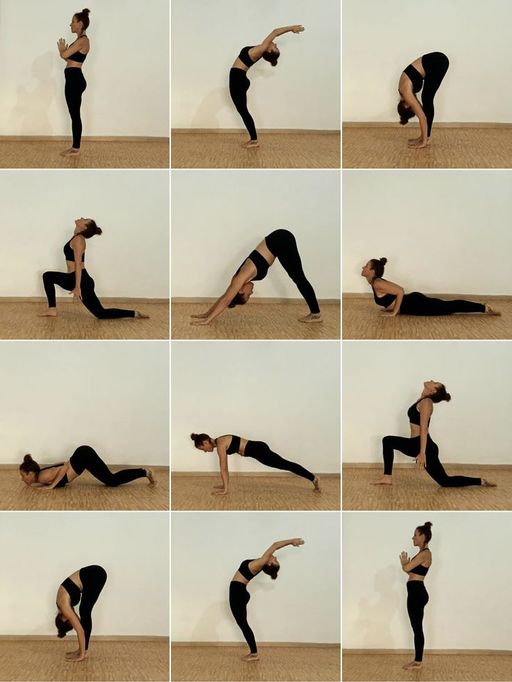
Power yoga is significantly more intense than basic indoor yoga. You can perform like Suryanamaskar, Bhujangasana.
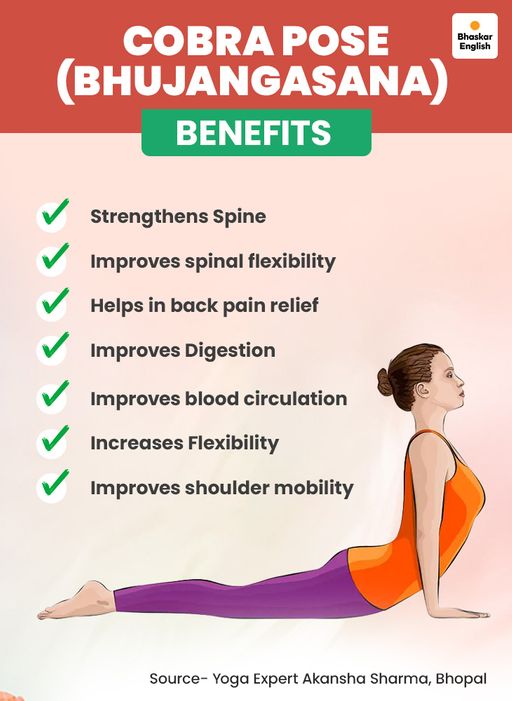
It also better to do Surya Namaskar at sunrise. However, if you cannot find time in the morning, you can also do it in the evening during sunset. If you cannot find time in the morning or evening, you can do it at any time during the day according to your convenience.
2. Zumba
Dancing is fun and also a great workout for your heart. You can try an online dance class or a YouTube dance workout video. Dancing will help your heart stay healthy and lift your mood, leaving you feeling happy and energised.
But avoid advanced dance steps which can lead to muscle injury, just light movement dance is enough to keep your body active.
3. Squats

For squats, stand straight with feet slightly wider than shoulder width.
- Extend hands forward or keep them on your waist and sit down by bending your knees.
- Keep thighs parallel to the ground, back straight and knees should not go beyond toes.
- Come up slowly and repeat this 10-15 times daily.
4. Burpees and Mountain Climbers
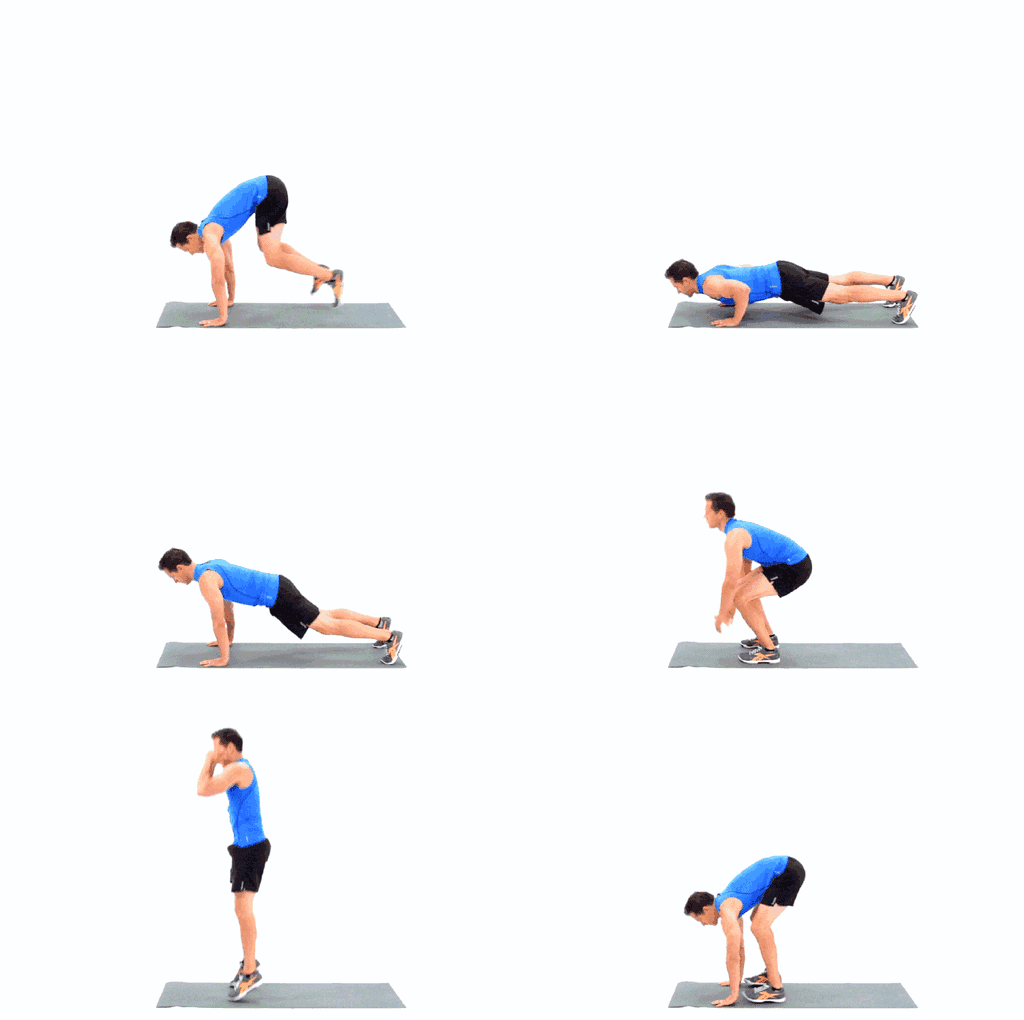
For burpees, bend in squat pose and place hands on the ground.
- Take legs back to form pushup position and do one pushup.
- Then return to squat pose and jump up with hands raised.
- and Repeat this 8-10 times continuously, it will increase both energy and stamina.
Mountain climbers helps in improving cardiovascular health, gaining core strength, and enhancing overall fitness.

5. Running or jogging
Running or jogging outside in the winter can make you feel more awake and give you lots of energy. It’s also good for your heart and can make you feel happy and refreshed. Just remember to wear warm clothes to protect you from the cold, and make sure you have good running shoes so you don’t slip or hurt your feet.
A little bit of outdoor exercise can make a big difference in how you feel during the winter months! What should be post and pre-workout meals?
Pre-Workout:
- Eat at least an hour before exercise to fuel your workout; try oatmeal with fruit or whole-wheat toast with avocado.
- Prioritise easily digestible carbohydrates like bananas, apple slices, or energy gels for quick energy.
- Include moderate protein, such as Greek yogurt or a tablespoon of peanut butter, for sustained energy.
- Limit fats close to your workout; avoid heavy, greasy foods.
- You can also have boiled eggs before workout.
- Hydrate consistently with water or a sports drink for longer workouts.
Post-Workout:
- Eat within 20-30 minutes after exercise to optimise recovery; consider a protein shake with fruit.
- Replenish glycogen stores with a mix of simple and complex carbohydrates like sweet potato or fruit.
- Consume complete protein, such as chicken, fish, or Greek yogurt, to repair and rebuild muscle tissue.
- Choose whole, unprocessed foods over supplements whenever possible; opt for real food over just protein powder.
Tips to get out of bed and get ready for workout in winter
- Go to bed on time to ensure you’re well-rested for your early workout.
- Power down devices an hour before bed to allow melatonin levels to rise for easier waking.
- Keep your phone far from your bed to avoid screen temptation and force yourself to get up to turn off the alarm.
- Avoid heavy meals just before bedtime; have your meals before 9 pm.
- Splash your face with cold water in the morning and brush your teeth to fully wake up your brain.
- Remember to warm up, make sure you spend at least five minutes warming them up before you begin, a light jog will do the trick.
- Lay out your workout clothes, keys, and headphones the night before to avoid morning fumbling.
- Prep breakfast and pack lunch the night before to save time.
- Make a workout buddy to increase accountability and avoid snoozing.
How to Start Exercising?
- If you have never exercised before, it is important to take some precautions in the beginning. Understand this from the pointers below-
- If you have health problems like heart disease, asthma, diabetes or high blood pressure, talk to your doctor before starting exercise.
- Make sure to warm up for at least 5 to 10 minutes before starting exercise. This activates the muscles.
- Take a few minutes break after each exercise. This gives muscles enough time to recover. Also, fatigue doesn’t set in quickly.
- It is very important to drink adequate water during exercise. This keeps the body hydrated.
- If you feel pain or discomfort while working out, stop immediately. Rest for a while.
- Never try to become stronger despite pain. Doing so can be harmful to health.